- Size
- Smallest
- Small
- Small to Medium
- Medium
- Large
- Giant
- Characteristics
- Smartest
- Hypoallergenic
- Fluffy
- Best Guard
- Best Family
- Best for Kids
- Low Shedding
- Healthiest
- Police Dogs
- Most Calm
- Quietest
- Color
- White
- Black
- Grey
- Brown
- Blue
- Red
- Coat
- Hairless
- Short
- Long
- Origin
- Japan
- China
- Australia
- Germany
- Italy
- United States
- France
- Group
- Hound
- Terrier
- Herding
- Toy
- Working
- Sporting
Traveling With a Dog for the First Time: What No One Tells You
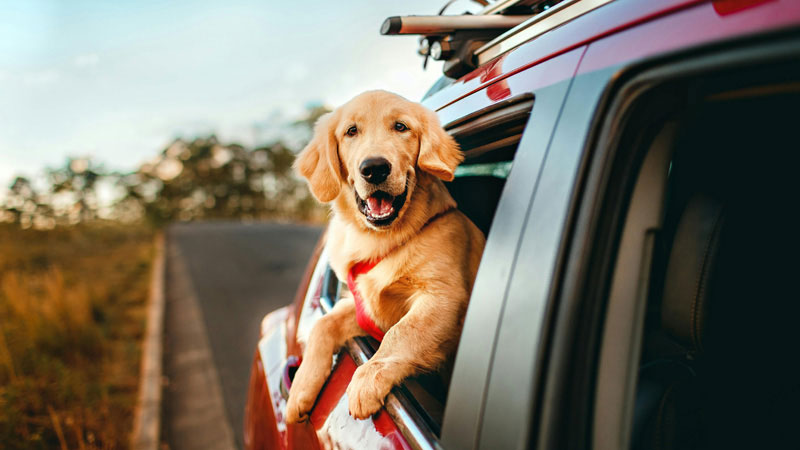
Photo by Helena Lopes on Pexels
Traveling with a dog for the first time usually does not fall apart because of one obvious mistake. It gets stressful because lots of small things stop working the way they do at home. Your timing changes. Your dog’s routine is affected. Things as small as feeding times start to matter more than expected. If you are not ready for those shifts, even a short trip can feel like work.
And it isn’t just about going somewhere new. A trip for a dog is disruptive. Dogs pick up on every little change, and it can throw them off. Once you see that coming, planning for a trip is not so bad. Just keep in mind these few things, and the trip will be easier.
1. Your Dog Is Responding to Change, Not Acting Out
You know where you are going. Your dog does not. All they experience is movement, strange smells, and a day that no longer follows the rules they know.
That is why behavior can shift on the road. A dog that listens well at home might seem distracted. A normally relaxed dog may stay glued to you or struggle to settle. This is not stubbornness. It is uncertainty. It is your dog trying to understand a situation without the usual cues they rely on at home.
The simplest fix is to protect familiarity wherever you can. When you travel, meals are one of the few things that don’t have to shift much. Keeping the timing familiar and using the same bowls helps dogs adjust. It gives them something recognizable when the rest of the day isn’t.
2. The Quality of Walking Accessories Matter More on the Road Than It Does at Home
At home, walking your dog involves calm environments and predictable distractions. Travel settings are different. Parking lots are louder. Rest stops are busy. Hotel doors keep opening and closing, carts pass through, and other dogs and people come and go.
When dogs get startled, they pull in unexpected ways. A sturdy collar and leash, with hardware you can rely on and stitching that holds, help keep those moments under control. Cheap or worn collars often fail in such overstimulated moments.
Before leaving, check everything closely. Tug firmly. Inspect buckles and rings. Walk your dog in more distracting places near home to see how everything holds up. Gear that feels “good enough” on quiet neighborhood walks may not be worth trusting on the road.
3. Harness Fit and Control Matter More in Unfamiliar Places
Most dogs pull more when traveling because there are a lot more triggers that make focus harder, even for dogs that usually walk politely. Managing that pulling poorly increases stress for both of you.
When dog reactions happen suddenly, the way force is distributed matters. An anti-pull dog harness shifts pressure away from the neck and across the body, which helps in those moments. You get steadier handling, and your dog stays comfortable moving through a stimulating situation.
For car travel, go a step further. Not all harnesses work the same way once a dog is in a moving vehicle. Travel-specific harnesses and car crates are built to manage force during sudden stops and accidents. Walking harnesses, even good ones, usually are not made for that kind of impact.
Whatever setup you choose, your dog should already be used to it. Travel is not the time to experiment. Practice walking or short drives in busier areas near home so your dog understands what the equipment means.
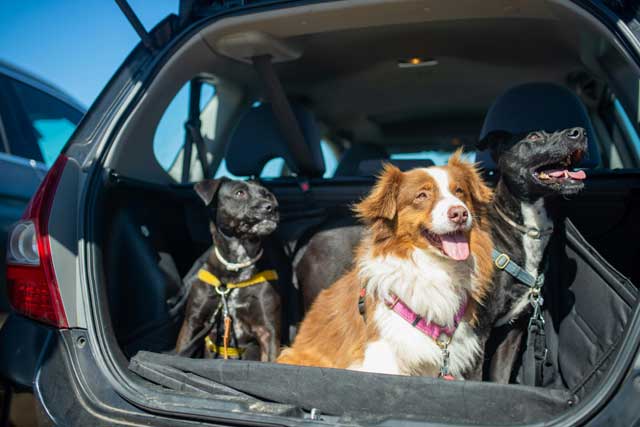
Photo by Kampus Production on Pexels
4. Mental Fatigue Often Looks Like Excessive Energy
Many people assume travel automatically wears dogs out. In reality, mental stimulation without release can make dogs more restless.
Your dog’s brain is working constantly during travel. New smells, sounds, and visual movement require attention. That mental load builds over the day. By evening, some dogs pace, struggle to settle, or seem unusually sensitive.
This does not mean your dog needs more structured exercise. This is often mental exhaustion, not excess energy. Short, slow walks where dogs can really explore smells often work better than going for a long run. Giving them that mental outlet can ease stress and improve attention, at least for a while. It’s one trick among many, though, not a magic fix.
Quiet breaks matter too. A calm break in a low-stimulation environment can reset your dog far better than pushing through another activity. Sometimes the best reset is doing less.
5. Eating and Drinking Often Change While Traveling
Some dogs eat differently once you’re on the road. A few will skip meals. Others seem too distracted to finish a meal. New smells, sounds, and movement can pull their focus away from food. That’s often enough to cause concern, even though it usually evens out after they’ve had time to adjust.
Water tends to matter more than food. Dogs will sometimes ignore a new water source altogether. Changes in smell or taste can be enough to put them off. Using the bowl they already know, or bringing water from home, can help prevent that.
Keeping feeding times consistent helps, but portion size matters during travel. A full meal before a flight can increase nausea, which is why lighter feeding earlier is often suggested. On road trips, spacing food out and offering water more often can help.
And avoid switching food unless you have no choice. Travel puts pressure on a dog’s system, especially when meals aren’t the same. That combination can lead to digestive trouble.
Photo by Cup of Couple on Pexels
6. New Sleeping Spaces Take Some Getting Used To
Dogs rely on scent to feel safe. Hotel rooms and rentals often smell different from home. Even when everything looks fine, those unfamiliar scents can make settling down harder.
A familiar sleeping setup can help a dog wind down in an unfamiliar place. Bedding or personal items from home often make the space feel less strange. Let your dog explore while things are still calm, not right before bed.
Some dogs wake more often or stay closer to you the first night. That usually fades once the space starts to feel familiar.
7. Check in With Your Vet Before You Travel
Seeing the vet before a trip gives you space to talk through things that are easy to overlook later. It gives you time to review vaccinations and talk about any health patterns your dog has shown before. Dogs that have struggled with anxiety or motion sickness usually benefit from addressing that before the trip starts.
Trips across borders require more planning. All the health papers and airline requirements can pile up fast if you leave them until the last minute. Starting earlier makes a huge difference.
Dog Travel IQ: Are You Reading the Signs Right?
1. Which of the following is the best way to calm a dog after a long car ride?
A) A fast-paced 5km run to burn off extra energy.
B) A short, slow "Sniffari" to let the brain process the environment.
2. Why do dogs often experience "zooming" or frantic circling after a road trip?
A) They’re simply excited to explore a new place.
B) Their cortisol levels spike, causing a "stress-induced activity rebound."
3. What is the most effective way to help a dog feel safe in a new hotel room?
A) Give them a brand-new toy they have never seen before.
B) Bring an unwashed blanket from home that smells like "you."
Answers: B | B | B — 3/3, you’re officially a canine travel pro!
If everything still goes sideways, remember the 15-minute rule: water, sniffari, dark room—give it a quarter-hour and most dogs self-reset.
Conclusion
For a first trip with your dog, it’s perfectly normal if things feel hectic. They’re not complicating things on purpose. Everything around them looks and smells unfamiliar, and that naturally affects how they act. It takes time to adjust. Some patience goes a long way.
Trips feel more manageable if you try to keep routines familiar and watch out for safety. Being flexible when plans change can also make a big difference. The goal is not perfection. It is to create a safe, calm experience where your dog feels secure and supported.
References
- [1] ^ CDC (.gov): Bringing a Dog into the U.S.
- [2] ^ USDA APHIS (Pet Travel): Travel With a Pet
You May Also Like
 Useful Accessories9 Useful Accessories for Your Dog
 Useful AccessoriesThe Pros and Cons of Using a Halo Collar for Dog Training
 Dog Training TipsHere are the 7 Most Important Dog Commands
 Help & AdvicePawsitive Health Habits: A Guide to Keeping Your Dog in Top Shape
 Breed Reviews8 Great Choices: Best Medium-sized Dogs For Beginners
 Breed ReviewsThe 10 Dog Breeds That Don't Shed