- Size
- Smallest
- Small
- Small to Medium
- Medium
- Large
- Giant
- Characteristics
- Smartest
- Hypoallergenic
- Fluffy
- Best Guard
- Best Family
- Best for Kids
- Low Shedding
- Healthiest
- Police Dogs
- Most Calm
- Quietest
- Color
- White
- Black
- Grey
- Brown
- Blue
- Red
- Coat
- Hairless
- Short
- Long
- Origin
- Japan
- China
- Australia
- Germany
- Italy
- United States
- France
- Group
- Hound
- Terrier
- Herding
- Toy
- Working
- Sporting
Dog Cooling Vests vs. Summer Clothes: What Actually Works?
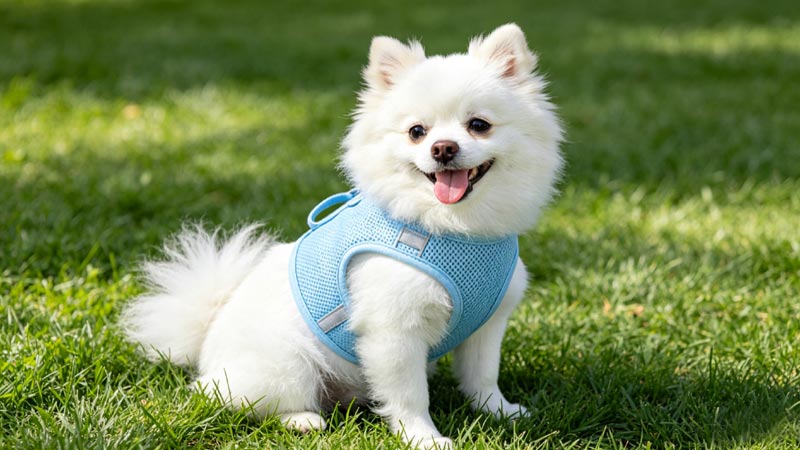
Image generated by AI
When summer heat hits, taking your dog outside becomes a massive guessing game. We all know dogs can't sweat like us—they rely on panting and those tiny paw pads to cool down, which isn't exactly efficient.
As you scroll through endless summer pet gear online, you usually run into two options: high-tech cooling vests and lightweight summer clothes. Both claim to beat the heat, but which one is a lifesaver and which is just a gimmick? Let’s break down how they actually perform in the real world so you can keep your pup safe and comfortable.
The Real Danger: Dogs Overheat Faster Than You Think
It’s easy to underestimate summer weather, but dogs carry a permanent fur coat. Brachycephalic (flat-faced) breeds like Bulldogs and Pugs, senior dogs, and heavy double-coated breeds like Huskies or Goldens are basically walking around in portable saunas.
Heatstroke can escalate from mild discomfort to a life-threatening emergency in minutes. You need to watch for frantic panting, thick/sticky drool, lethargy, a wobbly gait, or gums that look bright red or unusually pale. Because our dogs can't tell us when they are cross-the-line hot, we have to be proactive before they show severe distress.
What is a Dog Cooling Vest? (And How Does It Work?)
A dog cooling vest isn't just an outfit—it’s a functional piece of gear designed to actively pull heat away from your dog's core. There are three main types on the market:
● Evaporative Vests (The Most Common): You soak the vest in cold water, wring it out, and put it on your dog. It mimics human sweat—as the water evaporates, it draws heat away from the dog’s body. These work incredibly well in dry climates and usually offer relief for 1 to 3 hours.
● Phase-Change Material (PCM) / Ice Pack Vests: These feature built-in pockets for frozen inserts or specialized cooling packs. Because they don't rely on evaporation, they work perfectly in muggy, high-humidity "sauna" weather where evaporative vests struggle.
● Reflective Mesh Vests: These use a shiny outer layer to reflect solar radiation away from the dog, combined with lightweight mesh for airflow. They offer milder cooling but are very lightweight.
The best modern vests usually combine these methods—reflecting heat on the back while using evaporative or ice cooling on the chest and belly, where major blood vessels run close to the skin.
What About Traditional Summer Clothes?
"Traditional summer clothes" includes thin cotton t-shirts, UPF-rated rash guards, and mesh shirts.
These garments are built for passive protection, not active cooling:
● For dogs with thin coats, light skin, or recent surgical shaves, a UPF rash guard prevents painful sunburns.
● They act as a shield against bugs, briars on trails, or hot sand at the beach.
The catch? They don't lower a dog's temperature. Putting a regular cotton shirt on a dog during a scorching afternoon won't cool them down; in fact, if the fabric isn't breathable, it can trap their body heat and act like an insulator, making them even hotter.
Head-to-Head: Cooling Vests vs. Summer Clothes
| Feature | Dog Cooling Vest | Traditional Summer Clothes |
|---|---|---|
| Cooling Power | Excellent. Actively drops core and surface body temperatures. | Minimal. Only provides shade; does not lower existing body heat. |
| How Long It Lasts | 1–3 hours for evaporative (needs re-wetting); 2–4 hours for ice/PCM packs. | Continuous sun protection, but has no changing thermal effect. |
| Comfort & Weight | Can be heavy when soaked with water or loaded with ice packs. | Incredibly lightweight and easy for the dog to move in. |
| Best For... | Hiking, running, fetch, or high-energy activities in peak heat. | Casual walks, patio hangs, and sun/bug protection. |
| Effort Required | Higher maintenance. Requires soaking, wringing, or freezing packs ahead of time. | Easy. Just slip it on and throw it in the wash afterward. |
The Buying Guide: How to Choose for Your Dog
To make the right choice, look at your dog's specific needs, your routine, and your climate.
1. Assess Your Dog’s Risk Factors
● Get a Cooling Vest if: You have a flat-faced breed, an overweight dog, a senior pup, or a thick-coated breed. They need active help keeping their core temperature down.
● Get a Sun Shirt if: You have a short-haired, light-skinned dog (like a Dalmatian or Whippet) that is prone to sunburn but handles heat relatively well.
2. Think About Your Summer Routine
● If your summer weekends involve hiking trails, beach trips, or extended park sessions, a cooling vest is essential safety gear.
● If you only step out for quick potty breaks during the cooler morning and evening hours, a lightweight mesh shirt (or going naked) is perfectly fine.
3. Check Your Local Weather
● Arid/Dry Climates: Evaporative cooling vests are highly effective and affordable.
● Humid/Sticky Climates: Evaporative vests can't dry properly in high humidity. Go for a PCM/Ice pack vest instead.
Pro-Tip on Fit:
A cooling vest needs to fit snugly against the dog's chest and belly to actually transfer the cold. However, make sure it isn't tight enough to chafe the armpits or restrict their breathing.
Quick Tips for Best Results
● When using a cooling vest: Wring out evaporative vests thoroughly. If it’s dripping wet, it will weigh your dog down and can trap moisture against the skin, causing hot spots. Bring a water bottle on walks to re-wet the vest once it feels dry.
● When using summer clothes: If a regular cotton shirt gets damp from wet grass or water play, take it off immediately. A wet regular shirt under the hot sun creates a humid greenhouse effect against your dog's fur, which speeds up overheating.
The Verdict
You don't necessarily have to choose just one—they serve different purposes. For high-heat, high-exertion outdoor days, a cooling vest is a non-negotiable safety tool to prevent heatstroke. For low-key evening strolls or protecting sensitive skin from the sun, a lightweight protective shirt does the job perfectly. Always prioritize your dog's actual physical comfort over aesthetics!
You May Also Like
 Useful AccessoriesThe Pros and Cons of Using a Halo Collar for Dog Training
 Dog Training TipsHere are the 7 Most Important Dog Commands
 Help & AdvicePawsitive Health Habits: A Guide to Keeping Your Dog in Top Shape
 Breed Reviews8 Great Choices: Best Medium-sized Dogs For Beginners
 Dog Toys & Puppy ToysThe 5 Best Puzzle Toys For large Dogs (2022)
 Dog Toys & Puppy Toys7 Best Chew Toys For Lab Puppies (2022)