- Size
- Smallest
- Small
- Small to Medium
- Medium
- Large
- Giant
- Characteristics
- Smartest
- Hypoallergenic
- Fluffy
- Best Guard
- Best Family
- Best for Kids
- Low Shedding
- Healthiest
- Police Dogs
- Most Calm
- Quietest
- Color
- White
- Black
- Grey
- Brown
- Blue
- Red
- Coat
- Hairless
- Short
- Long
- Origin
- Japan
- China
- Australia
- Germany
- Italy
- United States
- France
- Group
- Hound
- Terrier
- Herding
- Toy
- Working
- Sporting
Dog Aggression Isn't Random: What Your Dog Is Really Trying to Tell You
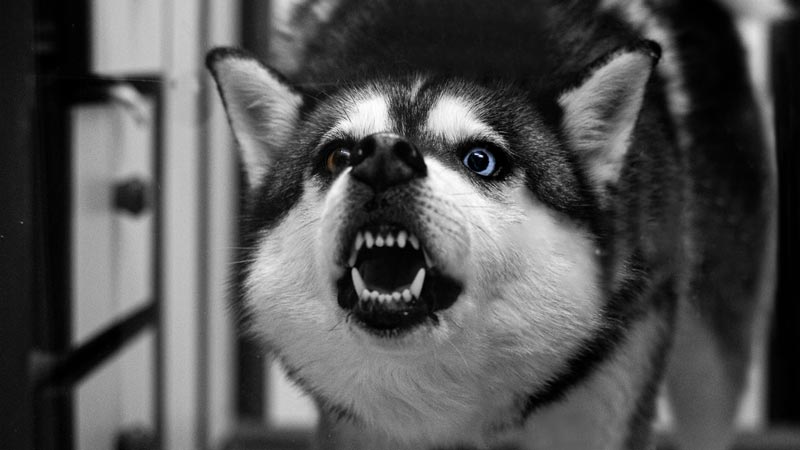
Photo by Samuell Morgenstern on Unsplash
Most people don't see it coming. One minute their dog is fine, sitting calmly, wagging, doing nothing unusual. The next, they're lunging at a stranger, snapping at a kid reaching for their bowl, or going ballistic at another dog across the street. And the owner's first instinct is almost always the same: where did that come from?
It didn't come from nowhere. It almost never does.
Dogs don't develop aggression overnight. That outburst you saw today has probably been building for weeks, months, sometimes years. The problem isn't that dogs are unpredictable. The problem is that most people don't know what they're looking at until it gets loud enough to scare them.
Aggression is one of those behaviors that gets misread constantly. Owners call their dogs stubborn, dominant, spiteful, "just mean." Trainers hear this all the time. But the dogs showing the worst behavior are usually the ones who are struggling the most on the inside. Fear. Chronic stress. Anxiety they don't know how to manage. Frustration with no outlet. That aggression is the alarm going off, not the fire itself.
Savanna Tolley, professional trainer and owner at The Dog Wizard, puts it plainly: "Training isn't about teaching dogs our language. It's about learning theirs." That's not a motivational quote. It's a complete reframe of how you have to approach these cases, because the moment you stop reacting to the behavior and start reading it, everything changes.
Why People Keep Getting This Wrong
Here's the thing about aggression that makes it so hard to address: it feels sudden, so people treat it like it's sudden. They focus entirely on the explosion and ignore everything that led up to it.
A dog who bites doesn't usually skip the warnings. He probably went stiff first. Maybe he froze, turned his head away, licked his lips, and showed a little white around his eyes. He may have yawned at the wrong moment, or moved slightly away from whatever was making him uncomfortable. These aren't random quirks. They're a form of communication. The dog is saying, loudly in his own language, that something is wrong. And when nobody responds to that, he finds a way to say it louder.
This is why understanding canine body language matters so much. Catching those signals early can prevent escalation and help dogs feel safer in stressful environments.
Punishing a growl is one of the worst things an owner can do, and a lot of owners do it. The dog growls, they correct it, the dog stops growling. Seems like a win. But that dog didn't stop being uncomfortable. He just lost his warning system. Now he skips the growl and goes straight to the snap, and suddenly the owner is saying the bite came out of nowhere.
What's Driving the Behavior
Every aggressive dog has a story. The triggers are different, the history is different, the emotional baseline is different. But the categories tend to cluster in predictable ways.
Fear is probably the most common one. A dog who was poorly socialized as a puppy, harshly punished, or attacked by another dog doesn't just get over it. Those experiences reshape how they process threats. Rescue dogs especially carry this. They've learned, often through real experience, that people or other animals or certain environments are dangerous. What looks like aggression is often a dog trying desperately not to get hurt again.
Resource guarding is another one that owners misread. A dog growling over his food bowl isn't being dominant or disrespectful. He's usually insecure. He's worried the thing that makes him feel okay is about to be taken away. When you punish the growl without addressing that underlying insecurity, you don't fix the guarding. You just make the dog more anxious about it.
Leash reactivity works differently but gets misread just as often. That dog going berserk at the end of the leash isn't necessarily aggressive toward other dogs. A lot of them are frustrated. They see something exciting or something scary and they can't get to it or away from it. That emotional pressure builds and builds and finally comes out as barking and lunging. To the owner, it looks like sudden aggression. To the dog, it's emotional overload with no exit.
Tolley points out that reactive dogs are often misread because owners get so focused on stopping the visible behavior that they never address what's causing it. She shares: "Dogs are constantly giving us information. When owners learn to recognize stress earlier, they can intervene before the behavior escalates." That early intervention window is everything. By the time a dog is over threshold and reacting, you've already missed your best opportunity.
Trigger Stacking and Why Aggression Seems Random
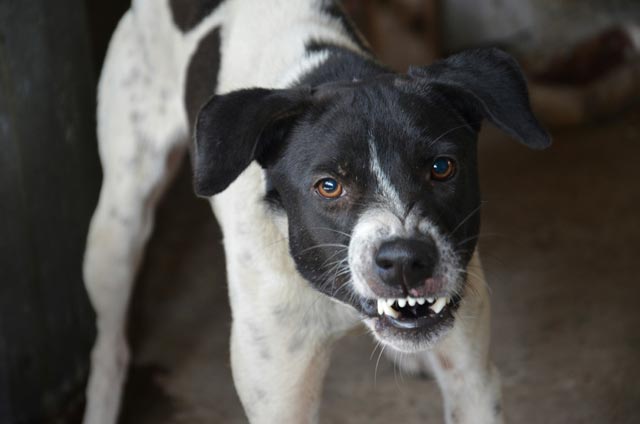
Photo by Simon Gatdula on Unsplash
One concept that doesn't get explained enough to regular dog owners is trigger stacking. It's exactly what it sounds like. Stressful events pile up.
Say your dog is a little anxious to begin with. In the morning, a delivery truck backfires outside. Then on the walk, he gets pulled toward another dog before he's ready. At the park, there are too many people and it's loud. Then someone comes to the house in the afternoon. None of those things alone would necessarily cause a reaction. But stack them all in the same day and by the time that visitor shows up, the dog is already at a nine out of ten. It takes almost nothing to push him over.
That's why aggression can look unpredictable even when it isn't. The owner sees one trigger. The dog has been carrying five.
For owners trying to understand this better, this article on dog aggression misconceptions breaks down several of the common myths that actually prevent people from getting to the real cause of the problem.
The Dominance Myth Still Does Real Damage
The idea that aggressive dogs are trying to take over the household has been thoroughly debunked in behavioral science, but it hasn't gone away in popular culture. Owners still come in convinced their dog is trying to be the boss, and that's leading them toward approaches that make things worse.
Harsh corrections, alpha rolls, intimidation techniques. These things might suppress behavior temporarily. But suppression is not the same as resolution. The dog stops growling because they're scared of the consequence, not because the fear or frustration driving the behavior went away. It's still there. And now the dog is also scared of the owner, which adds a whole new layer of anxiety to an animal who was already struggling.
Modern behavior rehabilitation isn't about breaking a dog's will. It's about helping them feel stable enough to make different choices. Structure matters. Clear expectations matter. Accountability matters. But those things work because they create predictability, not because they create fear.
What Effective Rehabilitation Looks Like
Real behavior work starts before anyone picks up a leash. It starts with figuring out what's actually going on. Is this fear? Frustration? Overstimulation? Pain? Some combination? Because the approach changes significantly depending on the answer.
Once you understand the root, you can start building. Leash skills. Place training. Impulse control work. Controlled exposure to triggers at distances where the dog can stay under threshold and actually learn something. Confidence building for dogs who have none. Calm, predictable routines for dogs who've never had structure.
And owners have to be part of it. Consistently. A skilled trainer can make real progress in a session, but if the dog goes home to chaos or inconsistency, that progress erodes. Tolley has said many times that owners unintentionally create more stress during reactive moments by tensing up, panicking, or changing their response every time. Dogs feel that. An anxious owner at the end of the leash communicates danger.
Progress in aggression cases doesn't look like a switch flipping. It looks like a dog recovering faster after a reaction. Then reacting with less intensity. Then starting to look to the owner instead of fixating on the trigger. Then, eventually, being able to exist calmly in situations that used to be impossible. Tolley has worked with dogs who couldn't pass another dog on the street without completely losing it, who eventually got to the point where they could handle it. That doesn't happen fast, but it happens.
When to Stop Waiting and Get Help
A lot of owners wait longer than they should. They manage, they avoid, they hope things will settle down on their own. Sometimes a dog mellows with age and more experience. But with genuine aggression cases, waiting usually means the behavior gets more practiced and more entrenched.
Get professional help when:
- A dog has bitten or come close to biting
- Reactions are getting bigger, not smaller
- The dog takes a long time to calm down after being triggered
- Walks are stressful or feel unsafe
- Visitors can't enter the home without a serious management plan
- Resource guarding is intensifying
- You're anxious handling your own dog
Aggression work specifically requires someone with real experience in behavior rehabilitation, not just general obedience. These cases involve reading stress signals accurately, managing exposure carefully so you don't make things worse, and building a plan that actually fits the individual dog. A fearful rescue and an overstimulated adolescent dog with no impulse control need different things.
Dog aggression training and behavior rehabilitation programs through The Dog Wizard are built around individualized plans for exactly this reason. Cookie-cutter approaches don't hold up in real aggression cases.
What Owners Get Wrong About the End Goal
Rehabilitation doesn't always mean the dog becomes a social butterfly who loves everyone. For some dogs, that's not realistic, and chasing it creates more pressure than progress. Sometimes success is a dog who can go for a walk without falling apart. A dog who can be in the backyard when the neighbors are outside. A dog whose owner isn't dreading every interaction.
That's a real outcome worth working toward. And it's more achievable than people think when they come in convinced their dog is broken.
Dogs showing aggression aren't bad. They're usually overwhelmed, and they've found the one communication tool that reliably makes the thing they're scared of go away. The job of training is to give them something better. When you shift from trying to stop a behavior to trying to understand it, aggressive dogs often turn out to be some of the most communicative animals you'll ever work with. They were never trying to be difficult. They were trying to be heard.
You May Also Like
 Dog BehaviorUnveiling the Real Issues: Dog Aggression Misconceptions
 Most Powerful DogsThe 10 Most Powerful Dogs In The World
 Dog Training Tips5 Things to Know About Puppy Behavior Training Mistakes
 Help & AdviceThese 10 Dog Breeds Novice The Best Not To Keep!
 Breed ComparisonAmerican Bulldog vs. Pit Bull: Which is Stronger?
 Dog BehaviorDog Biting Behavior: Causes and Prevention